
55+ Communities in Chicago Suburbs
Illinois
Explore 28 active adult and retirement communities in Chicago Suburbs, Illinois — with real photos, pricing, amenities, and resident insights for each.
World-class healthcare, no tax on retirement income & suburbs built for downsizing — See why retirees are choosing the Chicago Suburbs
About Chicago Suburbs
The Chicago Suburbs stretch across seven counties and hundreds of towns — from the Lake Michigan mansions of the North Shore, through the O'Hare-anchored northwest arc, out to the DuPage tech corridor around Naperville and Wheaton, and down into the fast-growing Will County towns of Plainfield, Joliet and Frankfort. For retirees, the appeal is a rare combination in the Midwest: Illinois fully exempts Social Security, pensions, and IRA/401(k) withdrawals from state income tax, which puts the Chicago suburbs on the same tax footing as Florida or Texas for most retirement income streams — while offering deep infrastructure, world-class hospitals, and neighborhoods that were built for exactly this stage of life.
Read moreShow less
The healthcare density is a genuine differentiator. Northwestern Medicine, Rush, Advocate Health, Endeavor Health, and Loyola operate a dense network across the suburbs, and multiple suburban hospitals — Central DuPage in Winfield, Endeavor Edward in Naperville, Endeavor Elmhurst, Lake Forest, Advocate Christ in Oak Lawn, Advocate Good Shepherd, Alexian Brothers in Elk Grove Village — carry national U.S. News rankings. For anyone weighing a move against a sunbelt metro, that matters: you're rarely more than 20 minutes from a nationally-ranked specialty program.
The 55+ community landscape is equally deep and heavily geographic. Sun City Huntley in McHenry County is one of the largest and most established Del Webb communities in the Midwest and often treated as the gold standard for active adult living near Chicago. Carillon Club in Naperville and Carillon at Stonegate in Aurora anchor the DuPage/Kane options, Carillon in Plainfield covers the Will County side, and Shorewood Glen, Edgewater, Cambridge Chase, and dozens of smaller ranch-focused neighborhoods spread across the collar counties. Pricing runs from the low $200s in the outer south and southwest suburbs into the $700s+ on the North Shore, so retirees have a real cost-of-living spectrum to work with inside a single metro.
The trade-off is honest and worth naming: Illinois has some of the highest property taxes in the nation, and winters are long, cold, and snowy. Property tax rates in the collar counties run 2.0–3.2% of market value, and Lake County homeowners pay a median of roughly $8,600–$8,900 a year in property taxes — the highest in the state. Winters average around 26°F in January with roughly 35–38 inches of snow. Retirees who love four real seasons, want to stay close to adult kids and grandkids in the Midwest, or already know the area come out ahead; retirees chasing warmth or a low property-tax bill usually don't. The senior homestead exemption and the income-tested Senior Freeze take some of the edge off, but they don't turn Illinois into a low-tax state.
Chicago Suburbs's cities, ranked for retirees
how we rank →From our Best Places rankings of every U.S. retirement city — cost of living modeled for a typical buyer, weather from 20 years of hourly data.
| City | US rank | Cost of living | Weather | 55+ residents |
|---|---|---|---|---|
| Naperville | #243 | $4,169/mo | #665 of 858 | 28% |
| Palatine | #284 | $4,073/mo | #712 of 858 | 31% |
| Aurora | #371 | $3,879/mo | #663 of 858 | 21% |
| Schaumburg | #392 | $4,063/mo | #691 of 858 | 28% |
| Arlington Heights | #396 | $4,314/mo | #707 of 858 | 33% |
| Elgin | #417 | $3,747/mo | #668 of 858 | 26% |
| Buffalo Grove | #429 | $4,231/mo | #727 of 858 | 28% |
| Des Plaines | #430 | $3,978/mo | #706 of 858 | 35% |
| Evanston | #453 | $4,699/mo | #747 of 858 | 31% |
| Bolingbrook | #460 | $3,873/mo | #669 of 858 | 25% |
| Joliet | #504 | $3,590/mo | #651 of 858 | 22% |
| Skokie | #554 | $4,280/mo | #737 of 858 | 34% |
| Chicago | #664 | $4,190/mo | #730 of 858 | 25% |
| Waukegan | #676 | $3,545/mo | #774 of 858 | 24% |
| Cicero | #755 | $3,612/mo | #710 of 858 | 22% |
Re-rank these around your own budget and ideal temps on the Illinois rankings or across the entire US.
Browse 28 55+ communities in Chicago Suburbs
Open in browser →Click any community for a quick preview, or open the full page.
 55+
55+Sun City Huntley
Chicago Suburbs
$200K – $800K
 55+
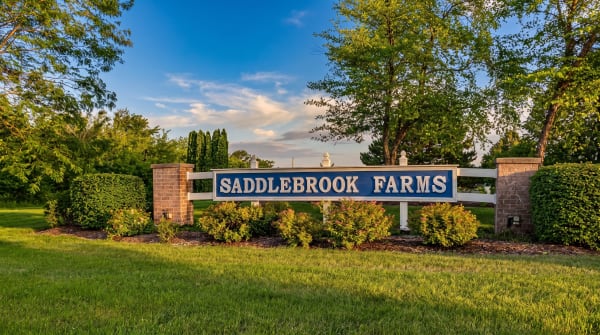
55+Saddlebrook Farms
Chicago Suburbs
$150K – $350K
 55+
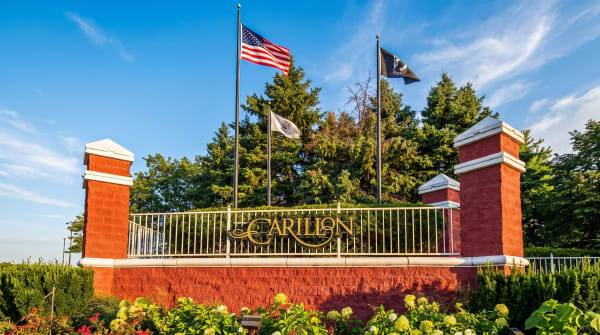
55+Carillon
Chicago Suburbs
$150K – $400K
 55+
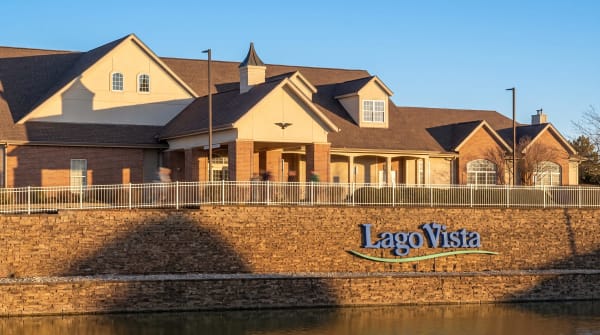
55+Lago Vista
Chicago Suburbs
$300K – $450K
 55+
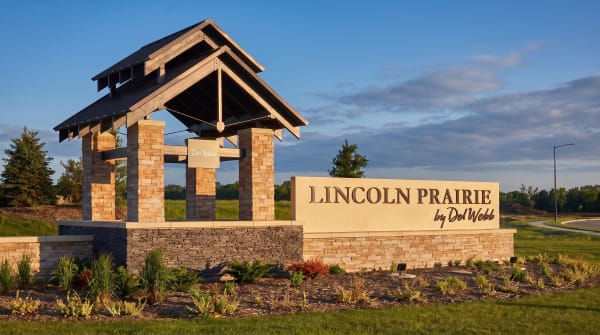
55+Lincoln Prairie by Del Webb
Chicago Suburbs
$400K – $750K
 55+
55+Carillon at Cambridge Lakes
Chicago Suburbs
$250K – $500K
 55+
55+Edgewater
Chicago Suburbs
$300K – $550K
 55+
55+Carillon Club
Chicago Suburbs
$300K – $800K
 55+
55+Carillon Lakes
Chicago Suburbs
$250K – $450K
 55+
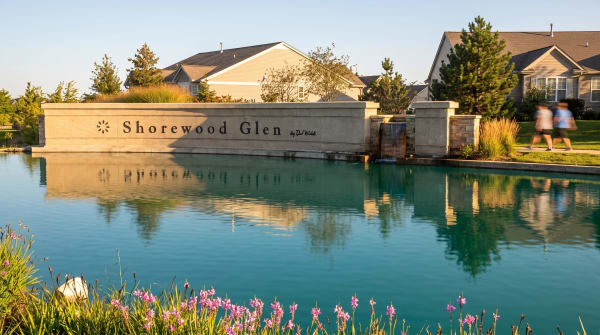
55+Shorewood Glen
Chicago Suburbs
$250K – $450K
 55+
55+Grand Dominion
Chicago Suburbs
$450K – $600K
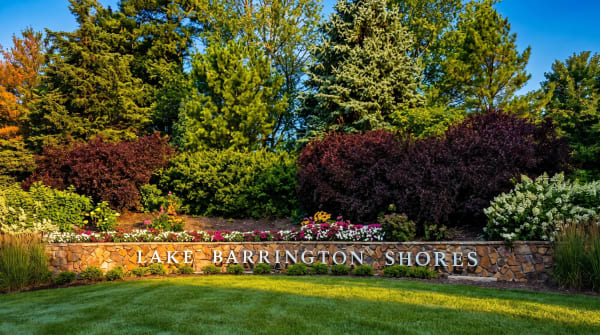
Lake Barrington Shores
Chicago Suburbs
$300K – $650K
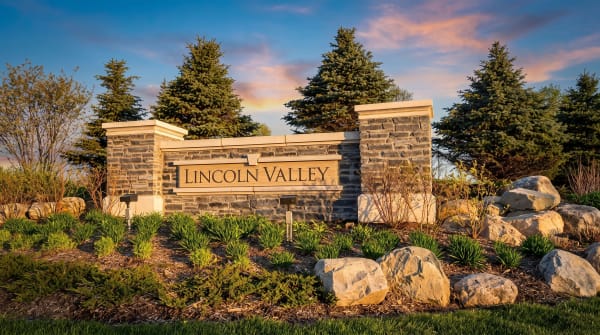
Lincoln Valley
Chicago Suburbs
$250K – $550K
 55+
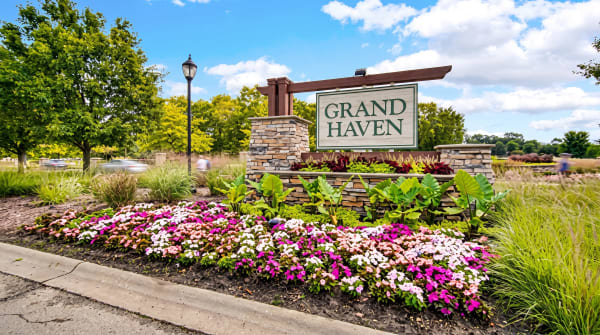
55+Grand Haven
Chicago Suburbs
$250K – $400K
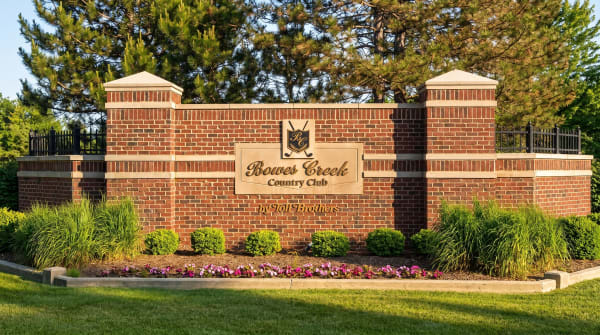
Regency at Bowes Creek Country Club
Chicago Suburbs
$300K – $650K
 55+
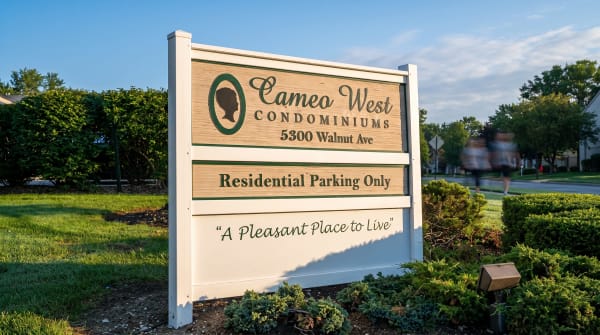
55+Cameo
Chicago Suburbs
$150K – $250K
 55+
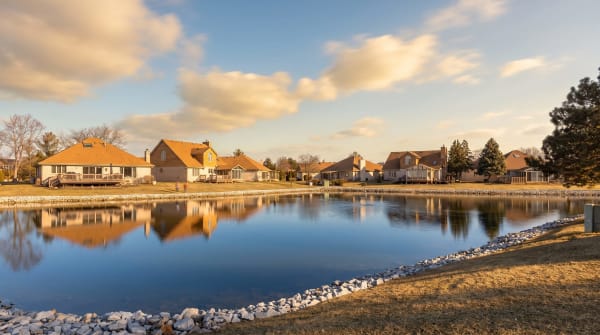
55+The Pines
Chicago Suburbs
$150K – $300K
 55+
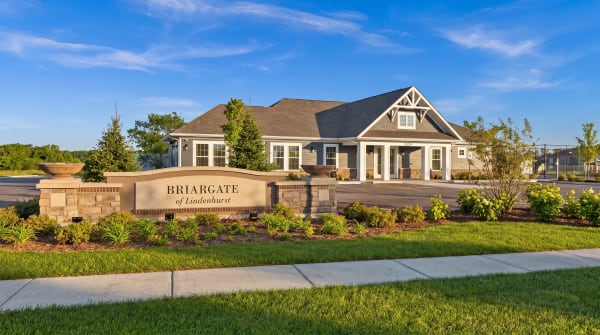
55+Briargate
Chicago Suburbs
$300K – $500K
Rob Roy Country Club Village
Chicago Suburbs
$300K – $450K
Stonegate West
Chicago Suburbs
$300K – $600K
The Lakes of Boulder Ridge
Chicago Suburbs
$350K – $750K
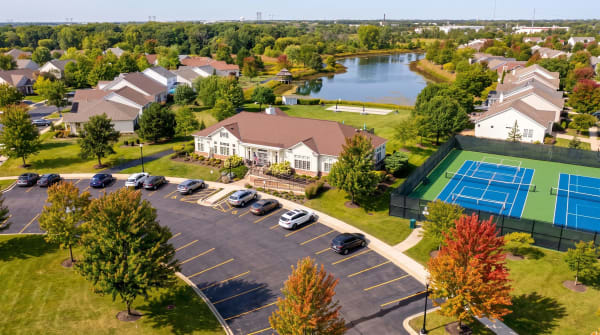 55+
55+Carillon at Stonegate
Chicago Suburbs
$400K – $600K
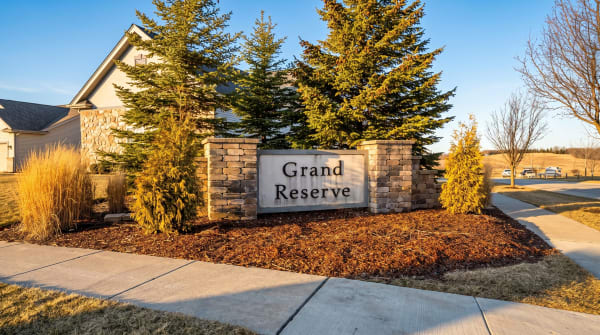 55+
55+Grand Reserve Algonquin
Chicago Suburbs
$350K – $550K
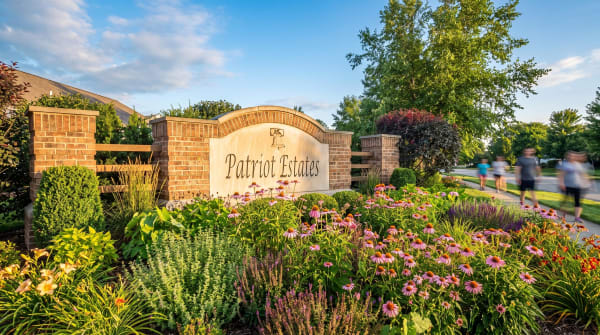 55+
55+Patriot Estates
Chicago Suburbs
$150K – $350K
 55+
55+Carillon North
Chicago Suburbs
$250K – $400K
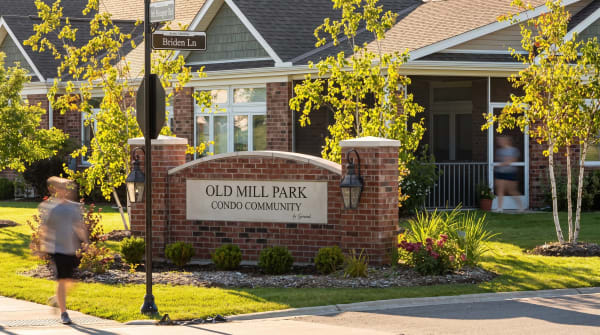 55+
55+Old Mill Park
Chicago Suburbs
$250K – $450K
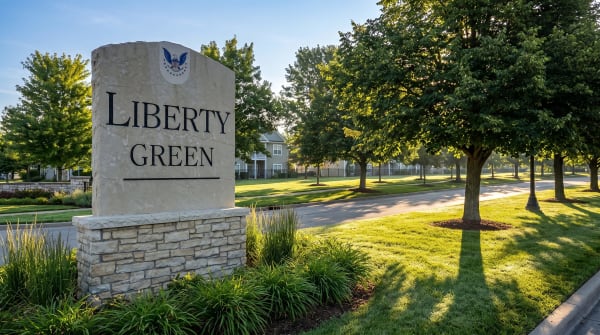 55+
55+Liberty Green
Chicago Suburbs
$400K – $550K
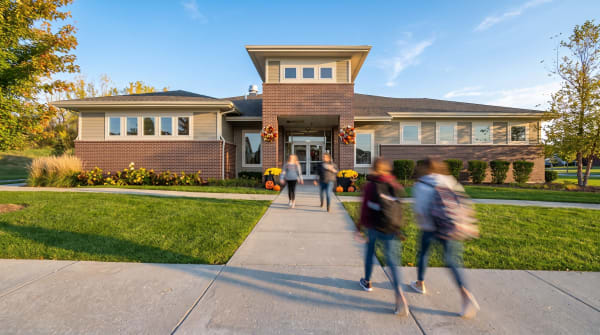 55+
55+Andare at Glenloch
Chicago Suburbs
$300K – $400K
Compare 28 communities at a glance
Price, HOA, and 55+ at a glance — sign in to score every community against your preferences.
Pros of retiring here
- No state tax on Social Security, pensions, IRA or 401(k) withdrawals
- No estate tax on estates under $4 million
- Nationally ranked hospitals — Northwestern, Rush, Advocate, Endeavor, Loyola
- Senior Homestead Exemption reduces EAV by $5,000
- Low-Income Senior Assessment Freeze available under income cap
- Deep 55+ community options — Sun City Huntley, Carillon Club, Shorewood Glen and dozens more
- Two major airports — O'Hare and Midway
- Metra commuter rail connects most suburbs to downtown
- Lake Michigan beaches and North Shore access
- World-class arts, dining, sports and museums in the city
- Housing spectrum runs from the low $200s to $1M+ across the collar counties
- Strong universities and continuing-ed programs — Northwestern, U of C, Loyola, Elmhurst, Benedictine
- Utilities run below the national average
- Four full seasons and mild summers relative to the deep South
- Close to adult kids and grandkids for Midwestern retirees
Things to consider
- Property taxes among the highest in the nation — statewide effective rate around 2.08%
- Lake County median property tax bill roughly $8,600–$8,900 per year
- DuPage median property tax bill around $7,800
- Winters are long, cold, and snowy — ~35–38 inches of snow, January average ~26°F
- Flat 4.95% state income tax on wages, interest, dividends and capital gains
- Illinois estate tax kicks in at just $4 million — lower threshold than the federal exemption
- Sales tax is high — Chicago area 10.25%, some suburbs 10–11%+
- Traffic on the Kennedy, Eisenhower, and I-355 tollways
- Tornado and severe-thunderstorm season in spring and summer
- Rising home insurance costs tied to hail and winter storm claims
- Cook County's assessment system is complex and appeals-heavy
Cost of Living
The Chicago metro overall runs modestly above the national average — most cost-of-living indexes put Chicago proper roughly 12–18% above U.S. average, with housing driving the gap (about 42–44% above national average in the city) and utilities running 5–6% below average. Suburban costs vary widely: the North Shore (Winnetka, Lake Forest, Highland Park) sits well above the metro average, DuPage towns like Naperville and Wheaton land near the middle, and Will and Kendall County towns like Joliet, Plainfield, and Yorkville often price at or below national norms on housing.
Median home price in the city of Chicago sits around $355,000; suburban medians range from the low $200s in the outer south suburbs to $700,000+ on the North Shore. Groceries run about 4% above the national average, healthcare about 16% above, and transportation a few points above. Utilities are the one clear win — roughly 5% below the U.S. average — helped by relatively low natural gas prices in the region.
Retiree Specific: Illinois is one of the most retirement-income-friendly states in the country on the income-tax side. The state fully exempts Social Security benefits, qualified pension income (public and private), IRA and 401(k) withdrawals, railroad retirement, and military retirement pay from state income tax. Non-retirement income — wages, interest, dividends, rental income, capital gains — is taxed at a flat 4.95%. There is no local income tax. Illinois does impose a separate state estate tax with a $4 million exclusion, which is meaningfully lower than the federal exemption and worth planning around if your estate is sizable. Combined state and local sales tax in the Chicago area is 10.25%, and some suburbs run 10–11%+; groceries and prescription drugs are taxed at a lower 1% state rate.
Property tax is where Illinois hurts. The statewide effective rate averages around 2.08% — second-highest in the nation — and the collar counties are all above the state average. Typical effective rates: Cook County ~2.0%, DuPage ~1.9–2.2%, Lake ~2.4–3.2%, Will ~2.1–2.6%, Kane ~2.6%. Median annual property tax bills: Cook ~$6,349, DuPage ~$7,812, Lake ~$8,900 (highest in the state), Will ~$8,480 on a $400,000 home. Two senior programs help offset this: the Senior Citizens Homestead Exemption reduces equalized assessed value by $5,000 for owner-occupants 65 or older with no income test, and the income-tested Low-Income Senior Citizens Assessment Freeze locks the assessed value at a base year for households under the income cap ($75,000 for the 2025 tax year; rising to $79,000 for 2026 payable 2027 under Public Act 104-0452). A separate Senior Real Estate Tax Deferral lets qualifying seniors under $65,000 income defer up to $7,500 of property tax annually as a lien.
Additional Considerations: HOA and assessment fees in the larger 55+ communities (Sun City Huntley, Carillon, Shorewood Glen, Cambridge Chase) typically run $150–$400/month depending on amenities and whether the community carries a clubhouse, pools, and golf. Homeowners insurance is trending up across the metro due to hail and winter-storm claim frequency, though it remains far below Gulf Coast and Florida levels. Heating bills in January and February are the meaningful winter expense — budget $150–$300/month for gas depending on home size. Cook County's assessment system is unusually complex and produces frequent assessment appeals; many retirees hire an attorney to appeal the assessment every reassessment cycle, which routinely pays for itself.
Where is Chicago Suburbs?
- Cities:
- Chicago, Naperville, Aurora, Schaumburg, Glenview, Hoffman Estates, Palatine, Arlington Heights, Buffalo Grove, Libertyville, Vernon Hills, Lake Forest, Highland Park, Deerfield, Wheaton, Glen Ellyn, Lombard, Elmhurst, Oak Brook, Hinsdale, Orland Park, Tinley Park, Frankfort, Mokena, Homer Glen, Bolingbrook, Romeoville, Joliet, Plainfield, Yorkville, Huntley, Elk Grove Village, Winfield, Oak Lawn, Evanston, Winnetka, Wilmette, Barrington, Geneva, St. Charles, Batavia
- Counties:
- Cook County, DuPage County, Lake County, Will County, Kane County, Kendall County, McHenry County
- ZIP codes:
- 60601, 60602, 60603, 60540, 60542, 60504, 60505, 60506, 60194, 60195, 60173, 60193, 60025, 60169, 60067, 60074, 60004, 60005, 60089, 60048, 60061, 60045, 60035, 60015, 60187, 60189, 60137, 60148, 60126, 60181, 60523, 60521, 60462, 60477, 60423, 60448, 60491, 60440, 60446, 60435, 60436, 60544, 60560, 60142, 60007, 60195, 60453, 60201, 60202, 60093, 60091, 60010, 60134, 60174, 60510
55+ communities in Chicago Suburbs: common questions
How many 55+ communities are in Chicago Suburbs?
There are 28 active adult and 55+ communities in Chicago Suburbs featured on Explore55Plus, with real photos, pricing, amenities, and resident insights for each.
How much do homes in 55+ communities in Chicago Suburbs cost?
Homes in retirement and active adult communities in Chicago Suburbs range from $150K to $800K, depending on the community, home type, and whether it's a new build or resale.
Are all 55+ communities in Chicago Suburbs age-restricted?
No. Of the 28 communities in Chicago Suburbs, 22 are age-restricted (typically one resident 55+) and 6 are open to all ages — so you can choose either an age-restricted or an all-ages active adult community.
Are there new-construction 55+ communities in Chicago Suburbs?
Yes — 6 of the 28 communities in Chicago Suburbs have new-construction homes available, alongside resale options in established neighborhoods.