
55+ Communities in Myrtle Beach / Grand Strand
South Carolina
Explore 23 active adult and retirement communities in Myrtle Beach / Grand Strand, South Carolina — with real photos, pricing, amenities, and resident insights for each.
60 miles of Atlantic coastline, 100+ golf courses & no tax on Social Security — See why retirees are choosing the Grand Strand
About Myrtle Beach / Grand Strand
Myrtle Beach and the wider Grand Strand hit a sweet spot for retirees who want an East Coast beach lifestyle without Florida-level prices. The region runs about 60 miles from Little River down through North Myrtle Beach, Myrtle Beach proper, Surfside, Murrells Inlet, Litchfield, and Pawleys Island to Georgetown — a mix of resort towns, quiet coastal villages, and inland options like Conway and Carolina Forest. South Carolina fully exempts Social Security from state income tax and gives residents 65+ meaningful retirement-income deductions plus a $50,000 senior homestead exemption, which is a big reason retirees keep landing here from the Northeast and Midwest.
Read moreShow less
The 55+ community landscape is deep and still growing. Del Webb at Grande Dunes sits on the Intracoastal in Myrtle Beach; Del Webb North Myrtle Beach is a 535-home age-restricted community about a mile from the Atlantic; Cresswind at Market Common puts active adults inside a walkable town-center neighborhood; and smaller age-restricted and age-targeted communities are scattered from Little River to Pawleys Island. Retirees who want less resort intensity often gravitate to Murrells Inlet and Garden City for the MarshWalk and coastal-village feel, Pawleys Island and Litchfield for classic Lowcountry privacy, Carolina Forest for master-planned convenience inland, and Conway for the most affordable small-town option.
Healthcare is a real strength for a market this size. Four hospital systems serve the region: Grand Strand Health (whose flagship Grand Strand Medical Center is the only Level I adult trauma center on the Strand), Tidelands Health, McLeod Health, and Conway Medical Center. MUSC's 2025 acquisition of a controlling interest in Tidelands is bringing more academic-tier specialists and clinical trials into the region — meaningful for retirees with complex conditions who otherwise might have to drive to Charleston. Myrtle Beach International (MYR) offers direct flights on most major carriers, which matters for family visits.
The trade-off is honest and worth naming. Summers are humid, hurricane season runs June through November with peak risk in August and September, homeowners insurance is well above the state average because of coastal wind exposure, and summer tourist traffic on Highway 17 is a real quality-of-life factor. For retirees who want the beach, the golf (roughly 100 courses in the metro), and lower taxes — and who can plan around storm season and pick a neighborhood off the tourist corridor — the Grand Strand is one of the strongest coastal retirement values on the East Coast.
Myrtle Beach / Grand Strand's cities, ranked for retirees
how we rank →From our Best Places rankings of every U.S. retirement city — cost of living modeled for a typical buyer, weather from 20 years of hourly data.
| City | US rank | Cost of living | Weather | 55+ residents |
|---|---|---|---|---|
| Myrtle Beach | #83 | $3,492/mo | #284 of 858 | 42% |
Re-rank these around your own budget and ideal temps on the South Carolina rankings or across the entire US.
Browse 23 55+ communities in Myrtle Beach / Grand Strand
Open in browser →Click any community for a quick preview, or open the full page.
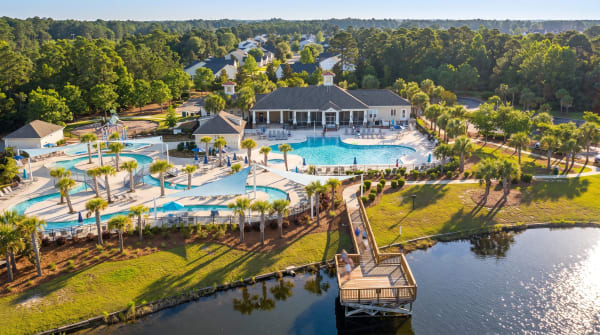
Berkshire Forest
Myrtle Beach / Grand Strand
$200K – $850K
Bridgewater
Myrtle Beach / Grand Strand
$300K – $700K
Island Green
Myrtle Beach / Grand Strand
$100K – $400K
Heather Glen
Myrtle Beach / Grand Strand
$300K – $500K
The Bays of Prince Creek
Myrtle Beach / Grand Strand
$400K – $750K
Indigo Creek
Myrtle Beach / Grand Strand
$300K – $550K
Emmens Preserve Myrtle Beach
Myrtle Beach / Grand Strand
$150K – $450K
Myrtle Beach Golf & Yacht Club
Myrtle Beach / Grand Strand
$50K – $400K
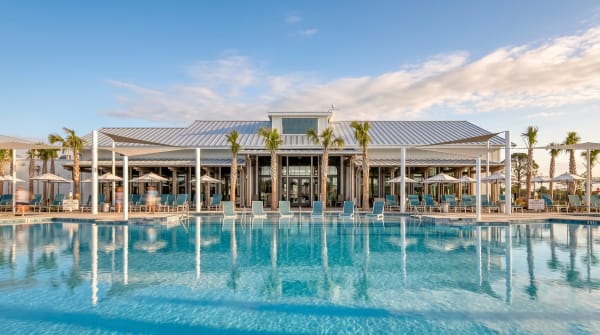 55+
55+Del Webb North Myrtle Beach
Myrtle Beach / Grand Strand
$450K – $750K
 55+
55+Heritage Park at Longs
Myrtle Beach / Grand Strand
$250K – $450K
 55+
55+Del Webb at Grande Dunes Myrtle Beach
Myrtle Beach / Grand Strand
$300K – $500K
Cypress Village
Myrtle Beach / Grand Strand
$300K – $500K
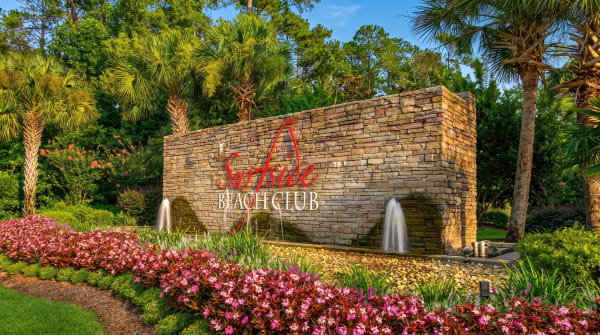
Surfside Beach Club
Myrtle Beach / Grand Strand
$350K – $650K
 55+
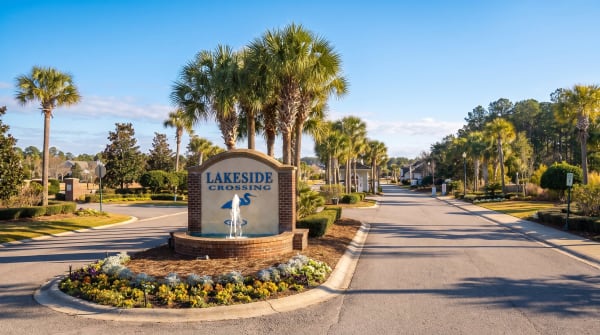
55+Lakeside Crossing
Myrtle Beach / Grand Strand
$150K – $300K
 55+
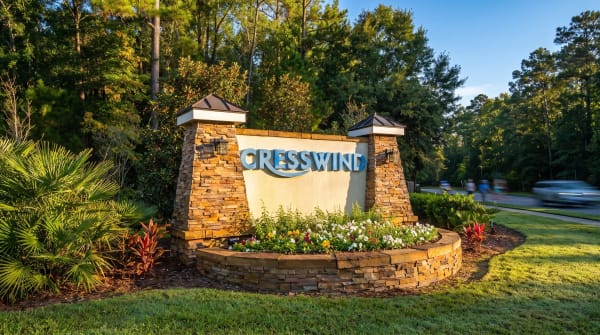
55+Cresswind Myrtle Beach
Myrtle Beach / Grand Strand
$350K – $600K
 55+
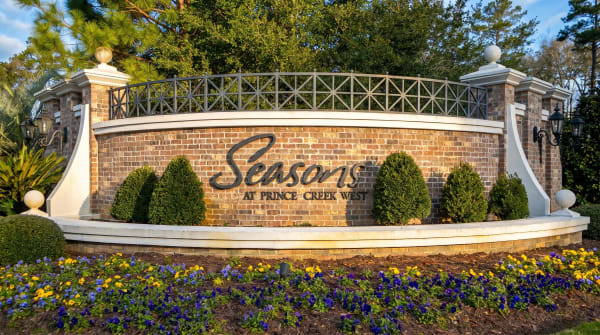
55+Seasons at Prince Creek West
Myrtle Beach / Grand Strand
$250K – $550K
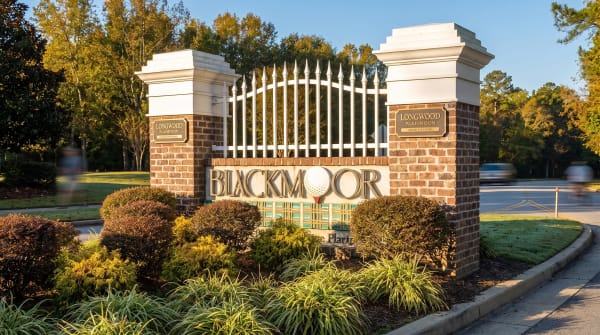
Blackmoor
Myrtle Beach / Grand Strand
$250K – $700K
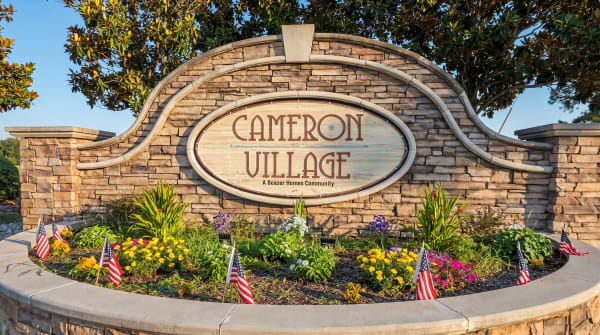
Cameron Village
Myrtle Beach / Grand Strand
$250K – $550K
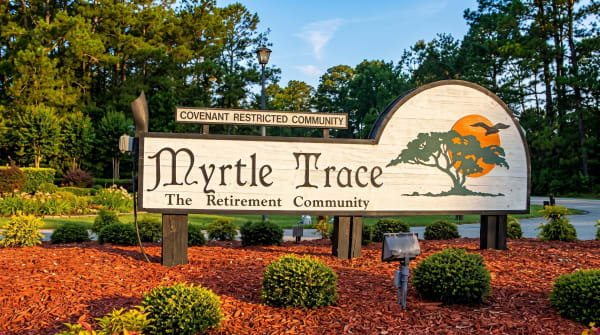 55+
55+Myrtle Trace
Myrtle Beach / Grand Strand
$200K – $450K
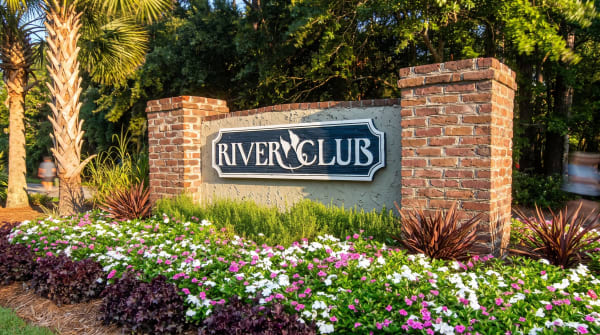
River Club
Myrtle Beach / Grand Strand
$550K – $700K
 55+
55+Woodlake Village
Myrtle Beach / Grand Strand
$300K – $400K
Hidden Lakes Village
Myrtle Beach / Grand Strand
$250K – $400K
 55+
55+Stonegate at Prince Creek
Myrtle Beach / Grand Strand
$300K – $450K
Compare 23 communities at a glance
Price, HOA, and 55+ at a glance — sign in to score every community against your preferences.
Pros of retiring here
- No state tax on Social Security
- $50,000 senior homestead exemption at age 65
- 4% assessment ratio on primary residences (vs 6% on second homes)
- Horry County median effective property tax rate around 0.43%
- Cost of living roughly 7–8% below the national average
- Median home price under $300K — one of the most affordable coastal markets on the East Coast
- 60 miles of Atlantic beach on the Grand Strand
- Roughly 100 golf courses in the metro
- Myrtle Beach International Airport (MYR) with direct flights on major carriers
- Four hospital systems including a Level I trauma center
- MUSC-affiliated academic care coming online through Tidelands
- Deep 55+ community options — Del Webb Grande Dunes, Del Webb North Myrtle Beach, Cresswind Market Common
- Mild winters allow year-round outdoor activity
- Military retirement pay fully exempt from state income tax
- No estate or inheritance tax at the state level
Things to consider
- Hurricane season June through November, peak August–September
- Homeowners insurance averages ~$2,500–$3,100/year — well above the SC state average
- Hurricane deductibles of 2–5% of home value are common near the coast
- Flood insurance recommended even outside high-risk zones
- Summer humidity and heat
- Heavy tourist traffic on Hwy 17 during peak season — 17+ million visitors a year
- Sales tax is 9% inside Myrtle Beach city limits
- Property tax jumps to 6% assessment ratio on second homes and investment properties
- 401(k) and IRA withdrawals above the retirement-income deduction are still taxable
- Seasonal economic swings tied to tourism
- Rapid growth is straining roads and infrastructure
Cost of Living
The Grand Strand overall runs roughly 7–8% below the national average, with housing doing most of the heavy lifting. Redfin puts Myrtle Beach 7% below the national average overall; housing is about 30% cheaper, transportation about 7% cheaper, and healthcare roughly on par with the national average — while utilities run about 17–19% higher (air conditioning is not optional here). Groceries are within a few percent of the national average. The median home sale price sits around $271,000–$284,000 (well below the national median of about $400,000), median rent for a two-bedroom runs about $1,600–$1,700, and a single retiree can live comfortably on roughly $2,400–$3,000/month before discretionary spending.
Retiree Specific: South Carolina does not tax Social Security or Railroad Retirement benefits at any income level. Residents 65+ can claim up to $10,000 in retirement-income deduction against pensions, IRA, and 401(k) withdrawals, plus a separate age-65 deduction of up to $15,000 against any income (the two are coordinated, not simply additive). Military retirement pay is separately exempt. The top state income tax rate is 5.21% in 2026, but retirees rarely pay it on their full income after exclusions. South Carolina has no estate tax and no inheritance tax. Property taxes are among the lowest in the country: Horry County's median effective rate is roughly 0.43%, and owner-occupied primary residences are assessed at 4% of market value (versus 6% for second homes and investment properties) — you have to actively apply for the 4% Legal Residence classification after closing. At 65+, residents who've lived in SC for at least a year get an additional $50,000 Homestead Exemption off assessed value. Combined state and local sales tax is 8% in most of Horry County and 9% inside Myrtle Beach city limits.
Additional Considerations: Homeowners insurance is the single biggest cost surprise. Average premiums run $2,500–$3,100/year for $300,000 of coverage — roughly 50% above the SC state average of about $1,640 — driven by hurricane and wind exposure. Wind deductibles are typically 2–5% of the home's value during storm season. Standard homeowners policies do not cover flood damage; NFIP flood insurance averages about $386/year in Myrtle Beach proper, ~$476 in North Myrtle Beach, and ~$647 in Surfside Beach, with high-risk AE or VE zones running $1,000–$3,000+ annually. Newer 55+ communities carry HOA fees for amenity access (clubhouses, pools, pickleball, lifestyle director). Compared to Florida, Myrtle Beach housing and insurance both come in meaningfully cheaper, which is a big part of why retirees pick SC over the Florida coast; compared to North Carolina, day-to-day costs are similar but SC's Social Security exemption and $50K senior homestead give retirees an edge.
Notable places in and around Myrtle Beach / Grand Strand
1 signature destinations within 75 miles
Other 55+ regions in South Carolina
Where is Myrtle Beach / Grand Strand?
- Cities:
- Myrtle Beach, North Myrtle Beach, Conway, Surfside Beach, Pawleys Island, Murrells Inlet, Litchfield Beach, Little River, Garden City, Georgetown, Andrews
- Counties:
- Horry County, Georgetown County
- ZIP codes:
- 29572, 29577, 29579, 29582, 29566, 29526, 29575, 29576, 29585, 29588, 29568, 29440, 29510
55+ communities in Myrtle Beach / Grand Strand: common questions
How many 55+ communities are in Myrtle Beach / Grand Strand?
There are 23 active adult and 55+ communities in Myrtle Beach / Grand Strand featured on Explore55Plus, with real photos, pricing, amenities, and resident insights for each.
How much do homes in 55+ communities in Myrtle Beach / Grand Strand cost?
Homes in retirement and active adult communities in Myrtle Beach / Grand Strand range from $50K to $850K, depending on the community, home type, and whether it's a new build or resale.
Are all 55+ communities in Myrtle Beach / Grand Strand age-restricted?
No. Of the 23 communities in Myrtle Beach / Grand Strand, 9 are age-restricted (typically one resident 55+) and 14 are open to all ages — so you can choose either an age-restricted or an all-ages active adult community.
Are there new-construction 55+ communities in Myrtle Beach / Grand Strand?
Yes — 8 of the 23 communities in Myrtle Beach / Grand Strand have new-construction homes available, alongside resale options in established neighborhoods.