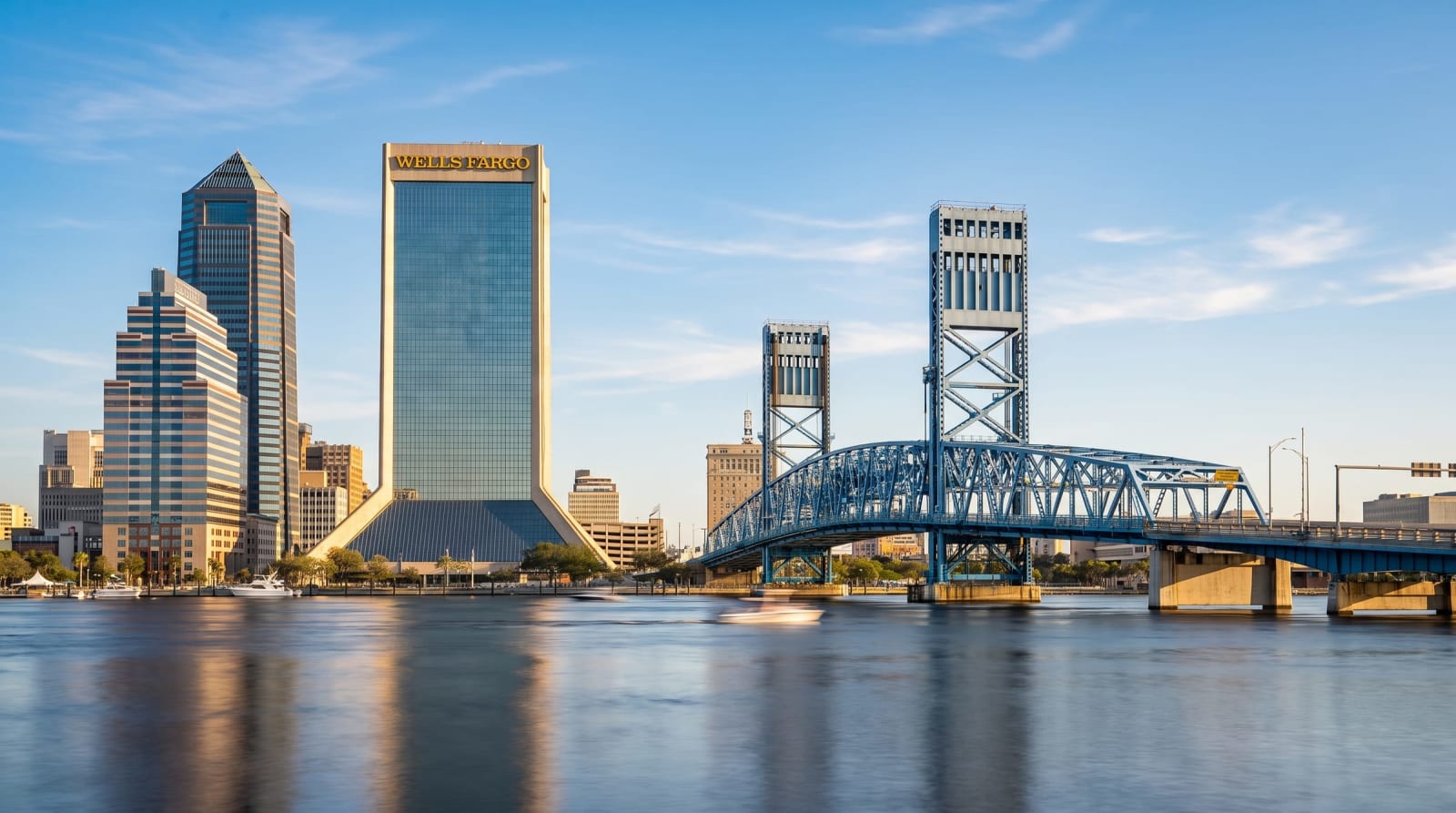
55+ Communities in Jacksonville / St. Augustine
Florida
Explore 21 active adult and retirement communities in Jacksonville / St. Augustine, Florida — with real photos, pricing, amenities, and resident insights for each.
First Coast living: no state income tax, Mayo Clinic in Jacksonville, America's oldest city next door. See why retirees choose Jacksonville.
About Jacksonville / St. Augustine
Jacksonville and St. Augustine anchor Northeast Florida's First Coast, and for retirees the combination is hard to match: big-city healthcare and airport access in Jacksonville, the historic charm and beach lifestyle of St. Augustine and Ponte Vedra, and a cost of living that runs several points below the national average, cheaper than Orlando, Tampa, or anywhere in South Florida. Florida's no-income-tax, no-estate-tax framework applies here, and Duval County's homestead exemption plus the 3% Save Our Homes assessment cap keep long-term property taxes predictable once you're settled in.
Read moreShow less
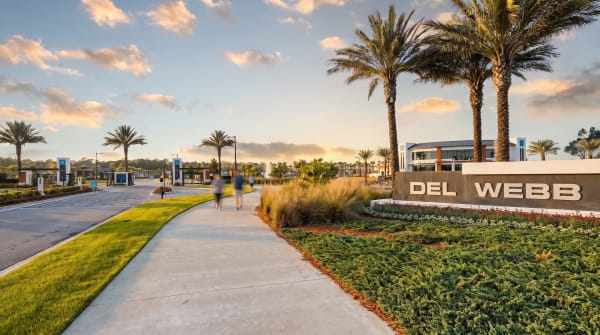
The 55+ community landscape is deep and still growing. Del Webb has planted its flag across the region: Del Webb Ponte Vedra at Nocatee, Sweetwater by Del Webb (the area's original Del Webb community), Del Webb Wildlight up in Nassau County, and the new Del Webb Nocatee. Other builders have added Artisan Lakes at Nocatee, Everlake at Mandarin, Cascades at World Golf Village, and Reverie at Silverleaf. Sub-areas matter a lot here. Nocatee and Ponte Vedra draw retirees who want beach access, top-rated St. Johns County services, and resort-style amenities; Fleming Island and Orange Park in Clay County offer lower prices and quieter suburban living; Fernandina Beach and Amelia Island lean upscale-coastal; and Palm Coast to the south is one of the most affordable retirement footholds on the Atlantic.
Healthcare is a genuine strength. The Mayo Clinic runs a full campus in Jacksonville, and Baptist Health operates six hospitals with more than 200 access points across Northeast Florida, plus Baptist MD Anderson Cancer Center, Ascension St. Vincent's, and the UF Health Jacksonville system. For retirees weighing where in Florida to land, having Mayo in town is a serious tiebreaker. Jacksonville International Airport (JAX) handles the family-visit logistics, and I-95, I-10, and I-295 tie the whole region together.
The honest trade-off: this is still the Atlantic coast, so hurricane awareness is part of the deal. Matthew in 2016 and Irma in 2017 both caused significant flooding, and St. Augustine's historic downtown is actively managing sea-level rise. Summer humidity is real, Jacksonville's overall crime numbers run above the national average (concentrated well away from where retirees actually live, as the suburban and beachside sub-areas grade much safer), and home insurance, while cheaper than South Florida, still runs well above the U.S. average. For a retiree who wants beaches and a real city without Orlando's theme-park traffic or Tampa's price tags, the Jacksonville / St. Augustine corridor is one of the best-value coastal retirement options left in Florida.
Jacksonville / St. Augustine's cities, ranked for retirees
how we rank →From our Best Places rankings of every U.S. retirement city — cost of living modeled for a typical buyer, weather from 20 years of hourly data.
| City | US rank | Cost of living | Weather | 55+ residents |
|---|---|---|---|---|
| Palm Coast | #6 | $3,649/mo | #178 of 858 | 44% |
| Jacksonville | #90 | $3,498/mo | #213 of 858 | 27% |
Re-rank these around your own budget and ideal temps on the Florida rankings or across the entire US.
Browse 21 55+ communities in Jacksonville / St. Augustine
Open in browser →Click any community for a quick preview, or open the full page.

Nocatee
Jacksonville / St. Augustine
$350K – $1M+
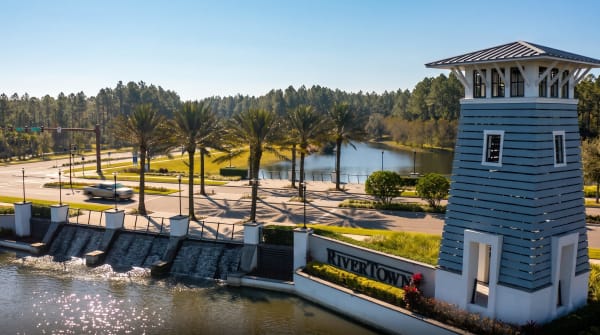
RiverTown
Jacksonville / St. Augustine
$250K – $1M+
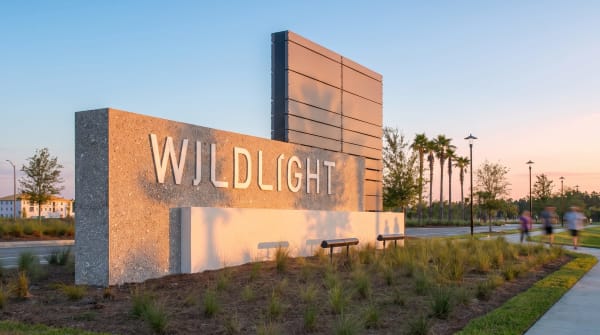
Wildlight
Jacksonville / St. Augustine
$300K – $700K
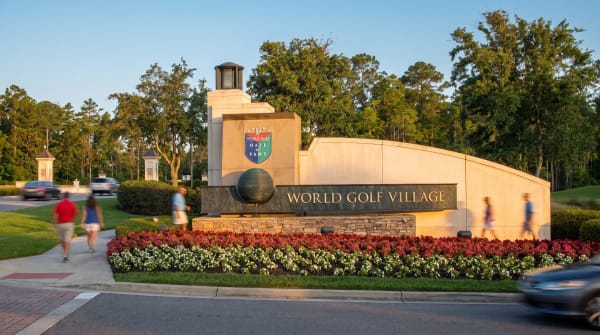
World Golf Village
Jacksonville / St. Augustine
$300K – $1M+
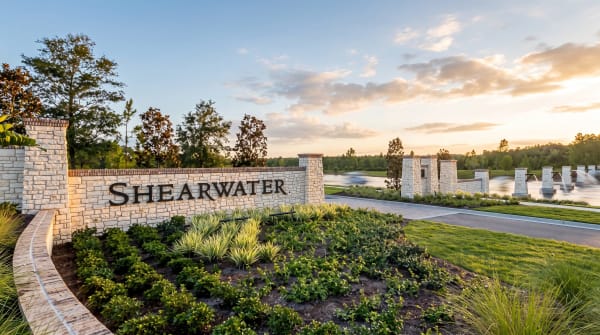
Shearwater
Jacksonville / St. Augustine
$300K – $950K
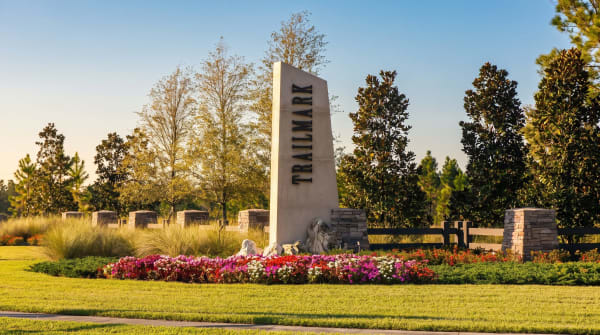
Trailmark
Jacksonville / St. Augustine
$350K – $900K
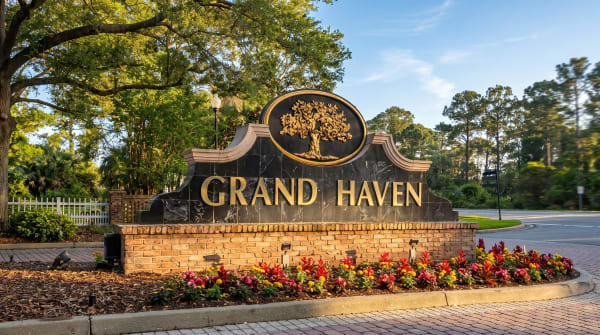
Grand Haven
Jacksonville / St. Augustine
$250K – $1M+
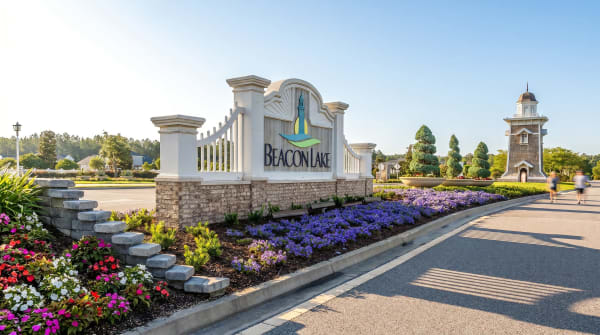
Beacon Lake
Jacksonville / St. Augustine
$300K – $1M+
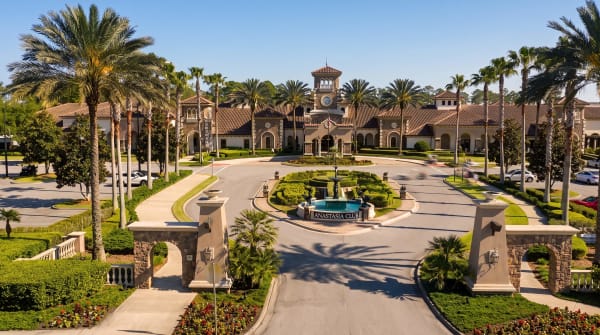 55+
55+Del Webb Ponte Vedra
Jacksonville / St. Augustine
$300K – $750K
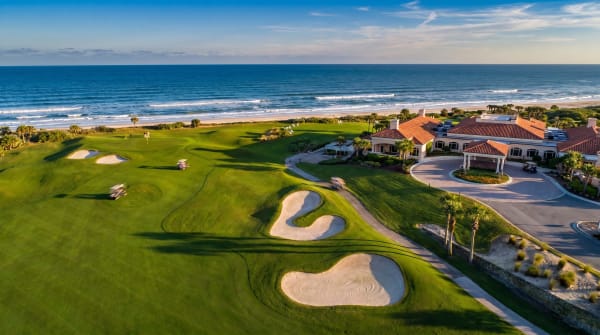
Hammock Dunes
Jacksonville / St. Augustine
$450K – $1M+
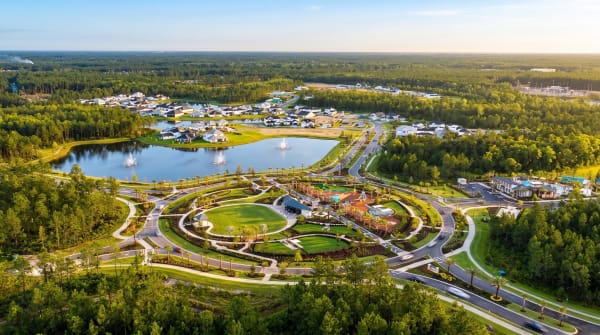 55+
55+Del Webb St. Johns
Jacksonville / St. Augustine
$450K – $800K
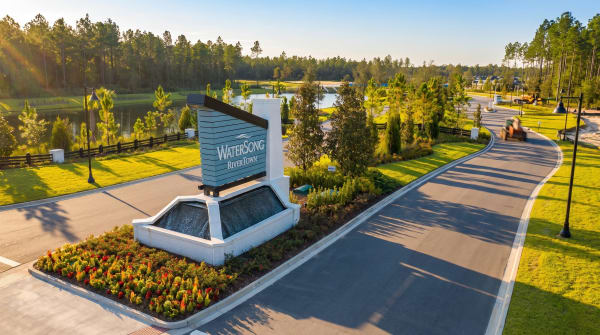 55+
55+WaterSong at RiverTown
Jacksonville / St. Augustine
$300K – $700K
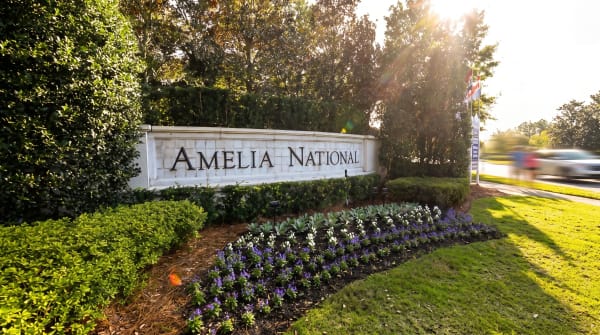
Amelia National
Jacksonville / St. Augustine
$550K – $1M+
 55+
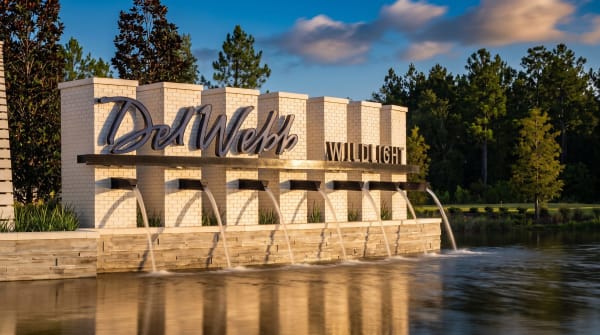
55+Del Webb Wildlight
Jacksonville / St. Augustine
$350K – $650K
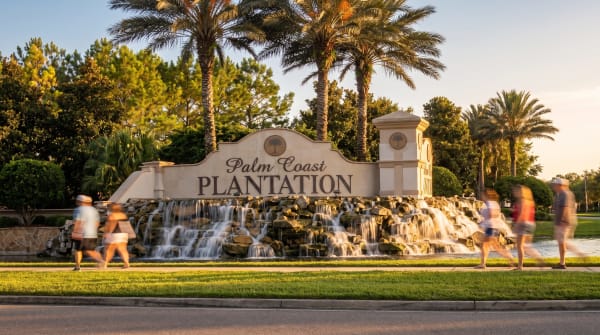
Palm Coast Plantation
Jacksonville / St. Augustine
$300K – $1M+
 55+
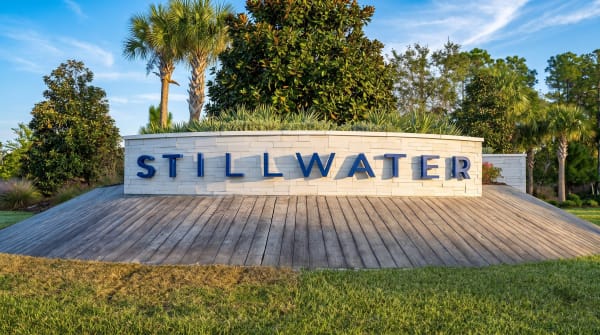
55+Stillwater Golf & Country Club
Jacksonville / St. Augustine
$300K – $600K
 55+
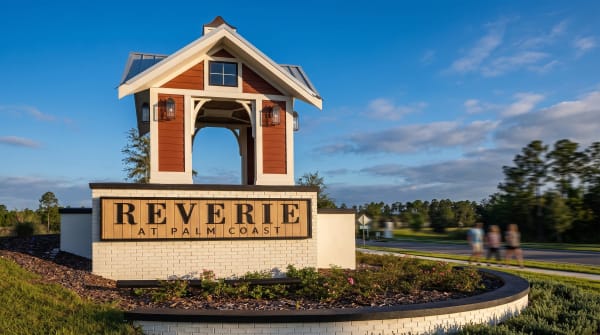
55+Reverie at Palm Coast
Jacksonville / St. Augustine
$350K – $700K
 55+
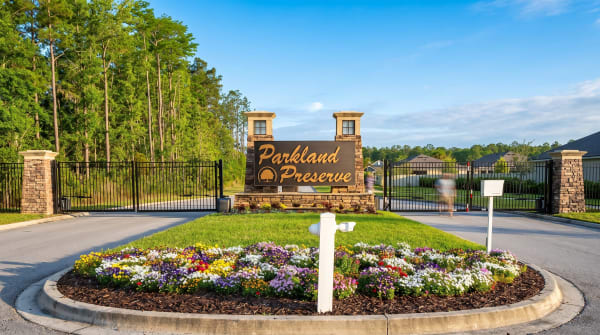
55+Parkland Preserve
Jacksonville / St. Augustine
$350K – $500K
 55+
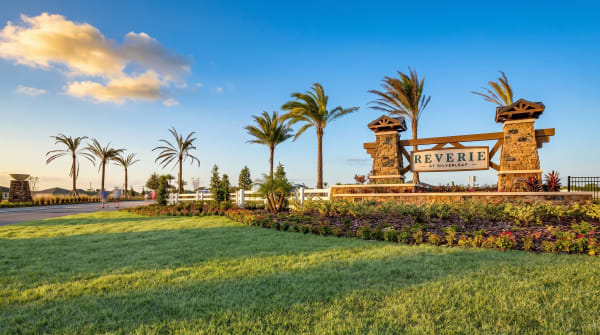
55+Reverie at Silverleaf
Jacksonville / St. Augustine
$350K – $650K
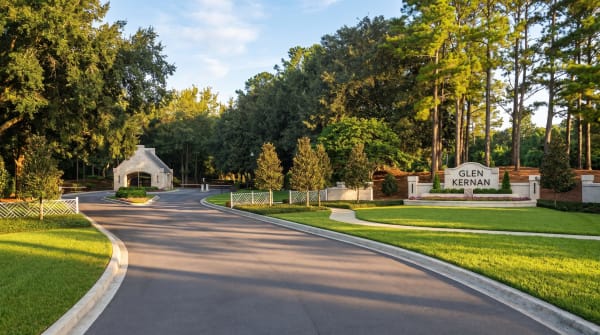
Glen Kernan
Jacksonville / St. Augustine
$1M+ – $1M+
 55+
55+Del Webb Etown
Jacksonville / St. Augustine
$400K – $800K
Compare 21 communities at a glance
Price, HOA, and 55+ at a glance — sign in to score every community against your preferences.
Pros of retiring here
- No state income tax
- No estate or inheritance tax
- Homestead exemption up to ~$50,700 off assessed value
- Save Our Homes 3% annual assessment cap
- Additional senior exemption available for qualifying 65+ residents
- Mayo Clinic Jacksonville campus in town
- Deep Baptist Health, Ascension St. Vincent's, and UF Health networks
- Major international airport (JAX)
- Atlantic beaches from Amelia Island to Ponte Vedra to St. Augustine
- Cost of living several points below the national average
- Housing roughly 13-20% cheaper than U.S. average
- Home insurance well below Florida coastal average
- Deep and growing 55+ community options
- St. Augustine (America's oldest city) 45 minutes south
- World-class golf including TPC Sawgrass and World Golf Village
- St. Johns River and Intracoastal for boating
- Lower hurricane frequency than South Florida
Things to consider
- Home insurance still well above the national average
- Hurricane and tropical-storm exposure. Matthew and Irma both caused flooding.
- St. Augustine faces active sea-level rise and coastal flooding
- Jacksonville's overall crime rate runs above the national average
- Summer humidity and afternoon thunderstorms
- Mosquitoes and no-see-ums, especially near the marshes
- Older Jacksonville housing stock can trigger 4-point inspection issues
- Sprawling metro. You'll drive for most errands.
- Property taxes reset on sale (new buyers pay more than long-term owners)
- Flood insurance often required near the St. Johns River and coast
- Growth pressure in St. Johns County pushing home prices up
Cost of Living
The cost of living in Jacksonville, Florida lands roughly 5-10% below the national average depending on the index. Salary.com puts Jacksonville just above the U.S. average (driven by housing), RentCafe puts it about 10% below, and most 2026 sources cluster in the 92-95 index range (100 = national baseline). Either way, it's meaningfully cheaper than the state average and dramatically cheaper than South Florida.
Housing is the biggest lever. Median home value sits around $266,000, median rent near $1,375/month, and housing costs run roughly 13-20% below the national average. A one-bedroom apartment averages about $1,300/month versus the $1,600 national average; two-bedrooms average around $1,500. Healthcare is a bright spot: services in Jacksonville typically track 17-18% below the national average, helped by the density of major providers (Mayo, Baptist Health, Ascension St. Vincent's, UF Health). Utilities run about 8-9% below average, and gasoline and staple groceries about 4% below. Groceries overall can run slightly above the national average because of peninsula shipping costs, but Aldi, Publix, Walmart, and Whole Foods all have a presence here.
For retirees specifically: Florida has no state income tax, so Social Security, pensions, IRA/401(k) withdrawals, and investment income are all state-tax-free. There's no estate tax and no inheritance tax at the state level. The homestead exemption removes up to about $50,700 from assessed value for a primary residence (the second $25,000 portion is indexed to inflation under Amendment 5). Once you homestead, the Save Our Homes cap limits annual assessed-value increases to 3% or less, which is the single most valuable long-term tax protection Florida offers. Duval County adds a senior exemption of up to $50,000 for long-term residents 65+ whose household income falls below the state-set limit ($38,686 for 2026). Sales tax is 6% state plus a 1.5% Duval discretionary surtax, totaling 7.5% in Jacksonville; St. Johns and Clay counties vary slightly. Vehicles are not subject to an annual property tax, only a modest registration fee.
Home insurance is where Florida hurts, and Jacksonville is one of the least-painful places to absorb that cost. The Jacksonville-area average runs roughly $2,800-$4,000 per year on a typical newer home, well above the roughly $2,500 national average but well below the Florida state average of about $5,200, and a fraction of South Florida's $10,000-plus premiums. Newer homes (post-2015) can insure for around $1,900/year; pre-2000 homes commonly run $3,700 or more, and roof age matters more than ZIP code in Northeast Florida. Ponte Vedra Beach ZIPs average $6,500-plus because of coastal exposure and higher home values; inland Clay County ZIPs can run under $2,500. Flood insurance is separate and often required near the St. Johns River, downtown St. Augustine, and the coast. Budget $650-$2,200/year in AE zones and considerably more in VE (coastal high-hazard) zones. Newer master-planned communities like Nocatee and Wildlight often carry CDD (Community Development District) fees on top of HOA dues to cover infrastructure costs, so price those in before you buy.
Videos & guides about Jacksonville / St. Augustine
Tours, comparisons, and insights on retirement and active adult communities in Jacksonville / St. Augustine.

Notable places in and around Jacksonville / St. Augustine
42 signature destinations within 75 miles
Other 55+ regions in Florida
Where is Jacksonville / St. Augustine?
- Cities:
- Jacksonville, St. Augustine, Ponte Vedra, Ponte Vedra Beach, Nocatee, Palm Coast, Fernandina Beach, Orange Park, Fleming Island, World Golf Village, Amelia Island, St. Johns, Fruit Cove
- Counties:
- Duval County, St. Johns County, Nassau County, Flagler County, Clay County
- ZIP codes:
- 32202, 32204, 32205, 32206, 32207, 32208, 32210, 32211, 32216, 32217, 32218, 32219, 32220, 32221, 32222, 32223, 32224, 32225, 32226, 32244, 32246, 32250, 32256, 32257, 32258, 32259, 32080, 32081, 32082, 32084, 32086, 32092, 32095, 32137, 32034, 32003, 32006
55+ communities in Jacksonville / St. Augustine: common questions
How many 55+ communities are in Jacksonville / St. Augustine?
There are 21 active adult and 55+ communities in Jacksonville / St. Augustine featured on Explore55Plus, with real photos, pricing, amenities, and resident insights for each.
How much do homes in 55+ communities in Jacksonville / St. Augustine cost?
Homes in retirement and active adult communities in Jacksonville / St. Augustine range from $250K to $1M, depending on the community, home type, and whether it's a new build or resale.
Are all 55+ communities in Jacksonville / St. Augustine age-restricted?
No. Of the 21 communities in Jacksonville / St. Augustine, 9 are age-restricted (typically one resident 55+) and 12 are open to all ages — so you can choose either an age-restricted or an all-ages active adult community.
Are there new-construction 55+ communities in Jacksonville / St. Augustine?
Yes — 19 of the 21 communities in Jacksonville / St. Augustine have new-construction homes available, alongside resale options in established neighborhoods.