55+ Communities in Albuquerque Metro
New Mexico
Explore 3 active adult and retirement communities in Albuquerque Metro, New Mexico — with real photos, pricing, amenities, and resident insights for each.
High-desert retirement at 5,300 feet with 300+ sunny days, Sandia Mountain views & Southwest culture — See why retirees are choosing Albuquerque Metro
About Albuquerque Metro
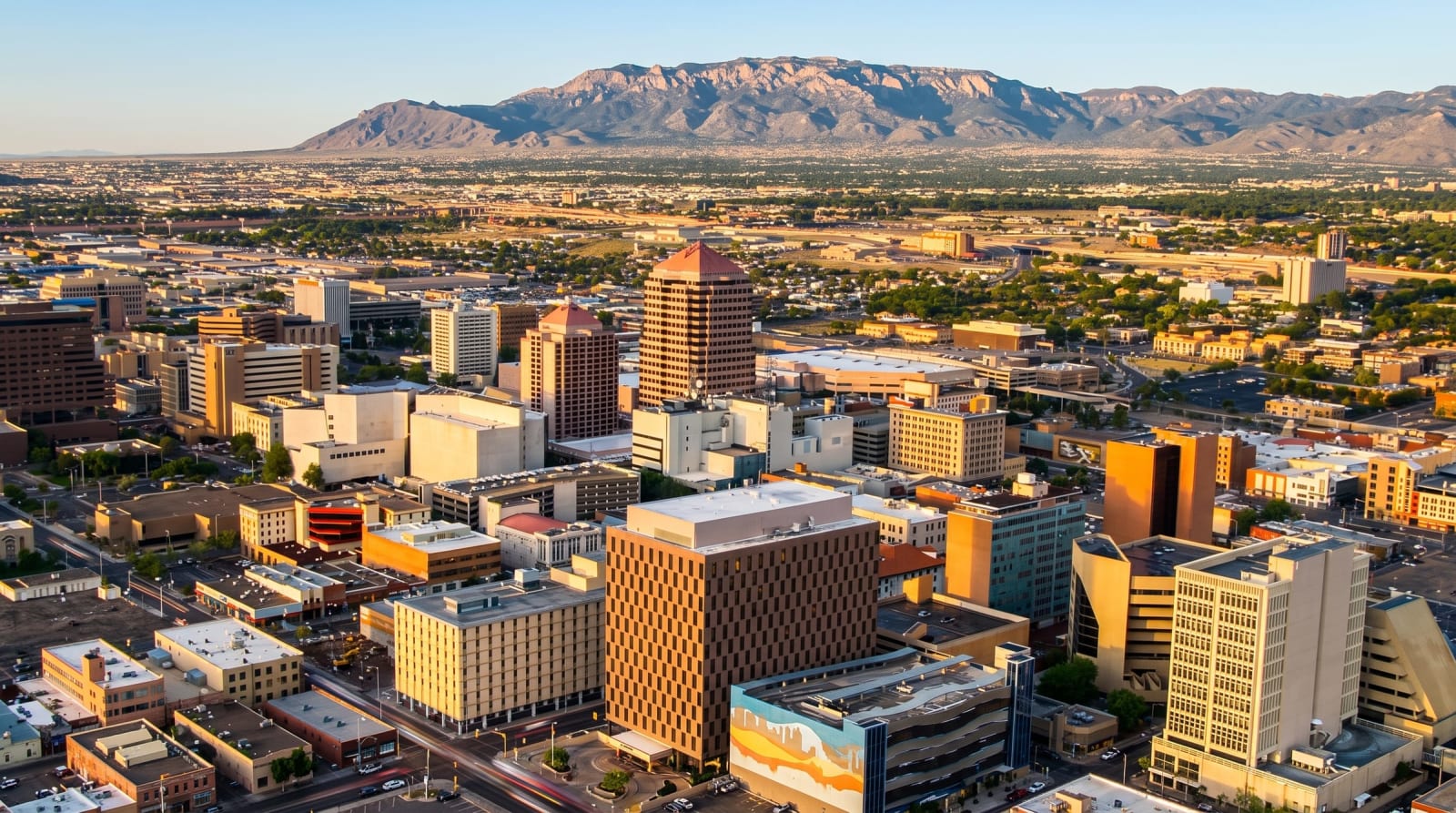
Albuquerque Metro is the four-county heart of central New Mexico — Bernalillo, Sandoval, Valencia, and Torrance counties — anchored by the City of Albuquerque and surrounded by Rio Rancho, Los Lunas, Belen, Corrales, Placitas, Bernalillo, Edgewood, and Moriarty. The MSA is home to roughly 900,000 residents across about 9,300 square miles, making it by far the largest metro in New Mexico and the region's main hub for healthcare, air travel, and shopping. Elevation averages 5,312 feet, and the Sandia Mountains rise to 10,678 feet just east of the city, framing the skyline and dropping the summer heat several degrees compared to lower desert metros.
Read moreShow less
The financial picture is a real draw for retirees on a fixed income. Overall cost of living runs roughly 9–12% below the national average, property taxes are among the lowest in the country (effective rate around 0.63–0.67%), and since 2022 New Mexico has fully exempted Social Security for single filers under $100,000 AGI and joint filers under $150,000 — which covers roughly 86% of the state's seniors. Median home values in the metro sit well below the national figure, with typical prices around $300,000 in Albuquerque proper and lower in Belen, Moriarty, and Rio Communities. Pensions, 401(k), and IRA withdrawals are still taxed at graduated 1.5–5.9% rates, so the tax story is best for lower- and middle-income retirees; large-drawdown portfolios face less shelter here than in Arizona or Texas.
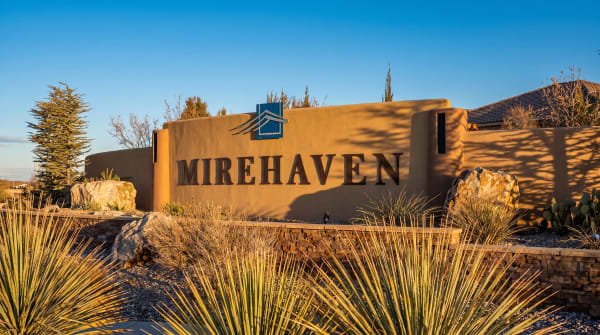
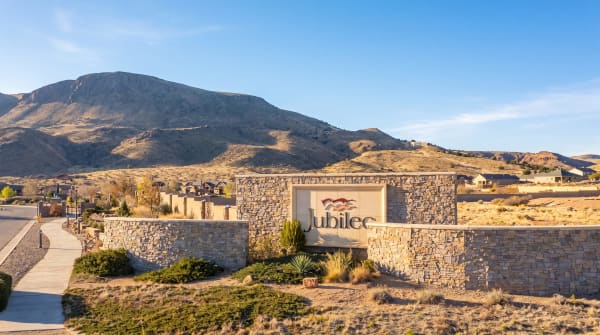
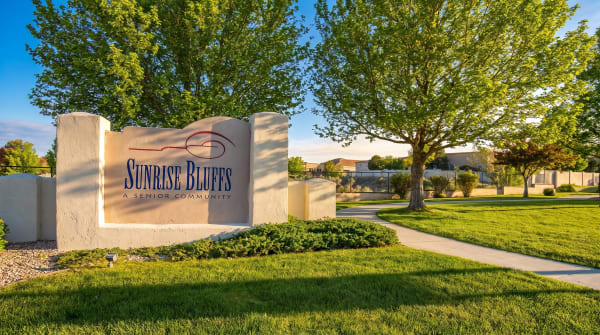
The 55+ community landscape is small but growing, and clustered mainly on the metro's edges. Del Webb at Mirehaven on the west side of Albuquerque and Del Webb at Alegria in Bernalillo are the two large active-adult builds, alongside Jubilee at Los Lunas, The Esplanade, The Islands at Rio Rancho, Sunrise Bluffs, and Albuquerque Meadows. Rio Rancho — New Mexico's third-largest city, in Sandoval County — has become the go-to suburban landing spot for retirees who want newer construction, quieter streets, and easy access to Presbyterian Rust Medical Center. Corrales and Placitas offer a more rural, high-end feel along the Rio Grande and Sandia foothills. Healthcare is a genuine strength for a metro this size: three major systems — Presbyterian Healthcare Services (the state's largest, 453-bed flagship), UNM Health (an academic medical center specializing in over 150 areas), and Lovelace Health System — operate eight hospitals across the region, plus a VA hospital and specialty heart and rehab facilities.
Albuquerque suits retirees who want Southwest culture, dry-climate comfort, and outdoor access without the price tag or extreme heat of Phoenix or Tucson. The trade-offs are real — property crime and violent crime rates run well above national averages, the elevation takes some adjusting for anyone with heart or lung conditions, and pension income isn't sheltered — but for retirees drawn to Old Town, the Balloon Fiesta, the Sandia Peak Tramway, green-chile everything, and a genuinely multicultural community, this metro is one of the more affordable and interesting landing spots in the Mountain West.
Albuquerque Metro's cities, ranked for retirees
how we rank →From our Best Places rankings of every U.S. retirement city — cost of living modeled for a typical buyer, weather from 20 years of hourly data.
| City | US rank | Cost of living | Weather | 55+ residents |
|---|---|---|---|---|
| Rio Rancho | #32 | $3,163/mo | #153 of 858 | 30% |
| Albuquerque | #67 | $3,174/mo | #86 of 858 | 30% |
| Las Cruces | #74 | $3,019/mo | #36 of 858 | 26% |
| Santa Fe | #84 | $4,129/mo | #215 of 858 | 39% |
Re-rank these around your own budget and ideal temps on the New Mexico rankings or across the entire US.
Browse 3 55+ communities in Albuquerque Metro
Open in browser →Click any community for a quick preview, or open the full page.
Pros of retiring here
- No Social Security tax for most retirees (under $100K single / $150K joint AGI)
- Property taxes among the lowest in the U.S. — effective rate around 0.63–0.67%
- Overall cost of living roughly 9–12% below national average
- 300+ days of sunshine per year
- Dry heat — summer highs in the low 90s without Phoenix-level extremes
- Four distinct seasons at 5,300 feet elevation
- Sandia Mountains at the city's doorstep — hiking, skiing, tramway to 10,378 ft
- Three major hospital systems: Presbyterian, UNM Health, Lovelace
- Albuquerque International Sunport (ABQ) with nonstops to 20+ U.S. cities
- Strong Southwest cultural identity — Native, Hispanic, and Anglo heritage
- Annual Balloon Fiesta and world-class festivals
- Military retirement pay exempt up to $30,000 (through TY 2026)
- No estate or inheritance tax
- Groceries exempt from state sales tax
- Growing 55+ community options — Del Webb at Mirehaven, Jubilee at Los Lunas, Alegria
- Easy access to Santa Fe, Taos, and northern New Mexico for day trips
Things to consider
- Violent and property crime rates well above the national average
- Pensions, IRA, and 401(k) withdrawals fully taxed at 1.5–5.9%
- Social Security exemption is a hard cliff at $100K single / $150K joint — no phase-out
- High altitude (5,300 ft) can be tough on heart and lung conditions
- Dry air causes skin, sinus, and respiratory irritation for newcomers
- Spring dust storms and high winds
- Wildfire smoke risk from surrounding forests
- Summer monsoon flash flooding in arroyos
- Water scarcity is a long-term regional concern
- Auto insurance rates run slightly above national average
- Limited nonstop international flights — most connections through Denver, Dallas, or Phoenix
- Smaller 55+ community selection than Arizona or Florida markets
- Tax burden less favorable than neighboring Arizona for higher-income retirees
Cost of Living
Albuquerque Metro's overall cost of living runs roughly 9–12% below the national average, driven mostly by housing. The typical home value in the city of Albuquerque is around $303,000 versus a national median near $360,000, and outlying communities are cheaper — Belen typical values sit near $255,000, Los Lunas near $314,000, and Rio Rancho's median sale price is roughly $370,000. Housing costs are 30–40% below comparable Sun Belt metros like Denver, Phoenix, and Austin. Groceries run around 4% below the national average, utilities are moderate but summer cooling bills climb in July and August, and auto insurance runs slightly above the national average. Property tax effective rates hover around 0.63–1.0% depending on the taxing district, and the median residential property tax bill is roughly $2,400 on a $365,000 home.
Retiree Specific: New Mexico fully exempts Social Security benefits for single filers with AGI under $100,000 and joint filers under $150,000 — thresholds that cover roughly 86% of the state's seniors. Above those AGI lines the exemption disappears at once (a cliff, not a phase-out), which makes Roth conversions and withdrawal sequencing especially valuable here. Pensions, IRA distributions, and 401(k) withdrawals are taxed as ordinary income at graduated rates from 1.5% to 5.9%; taxpayers 65 and older may deduct up to $8,000 of retirement income, though the deduction phases out entirely above roughly $28,500 single / $51,000 joint AGI. Military retirement pay is exempt up to $30,000, but under current statute this provision sunsets after tax year 2026 unless the Legislature extends it. There is no state estate tax and no inheritance tax. State sales tax (technically a gross receipts tax) averages around 7.1% combined, but groceries are exempt. The New Mexico Property Tax Rebate is available for homeowners and renters age 65+ with modified gross income under $24,000, and residents who reach age 100 with no dependents pay no state income tax at all.
Additional Considerations: The tax picture is genuinely favorable for lower- and middle-income retirees but less generous than Arizona's flat 2.5% or Texas/Florida (no income tax) for retirees pulling large pension or IRA draws — run both before moving. HOA and amenity fees in newer Del Webb-style communities typically run $150–$300/month. Auto insurance rates in Albuquerque are elevated by higher-than-average theft and collision claims. Summer electric bills climb noticeably from June through August, though the dry climate keeps cooling costs well below humid Sun Belt equivalents. Water is a long-term regional issue — expect ongoing conservation measures and modest utility rate increases as the region adapts.
Where is Albuquerque Metro?
- Cities:
- Albuquerque, Rio Rancho, Los Lunas, Bernalillo, Corrales, Placitas, Belen, Edgewood, Moriarty, Los Ranchos de Albuquerque, Tijeras, Cedar Crest, Sandia Park, Peralta, Bosque Farms
- Counties:
- Bernalillo County, Sandoval County, Valencia County, Torrance County
- ZIP codes:
- 87101, 87102, 87104, 87105, 87106, 87107, 87108, 87109, 87110, 87111, 87112, 87113, 87114, 87116, 87117, 87120, 87121, 87122, 87123, 87124, 87144, 87004, 87043, 87048, 87031, 87042, 87002, 87023, 87015, 87016, 87035, 87036, 87059, 87061, 87008
55+ communities in Albuquerque Metro: common questions
How many 55+ communities are in Albuquerque Metro?
There are 3 active adult and 55+ communities in Albuquerque Metro featured on Explore55Plus, with real photos, pricing, amenities, and resident insights for each.
How much do homes in 55+ communities in Albuquerque Metro cost?
Homes in retirement and active adult communities in Albuquerque Metro range from $200K to $700K, depending on the community, home type, and whether it's a new build or resale.
Are 55+ communities in Albuquerque Metro age-restricted?
Yes — the 55+ communities in Albuquerque Metro featured here are age-restricted, generally requiring at least one resident to be 55 or older.
Are there new-construction 55+ communities in Albuquerque Metro?
Yes — 2 of the 3 communities in Albuquerque Metro have new-construction homes available, alongside resale options in established neighborhoods.