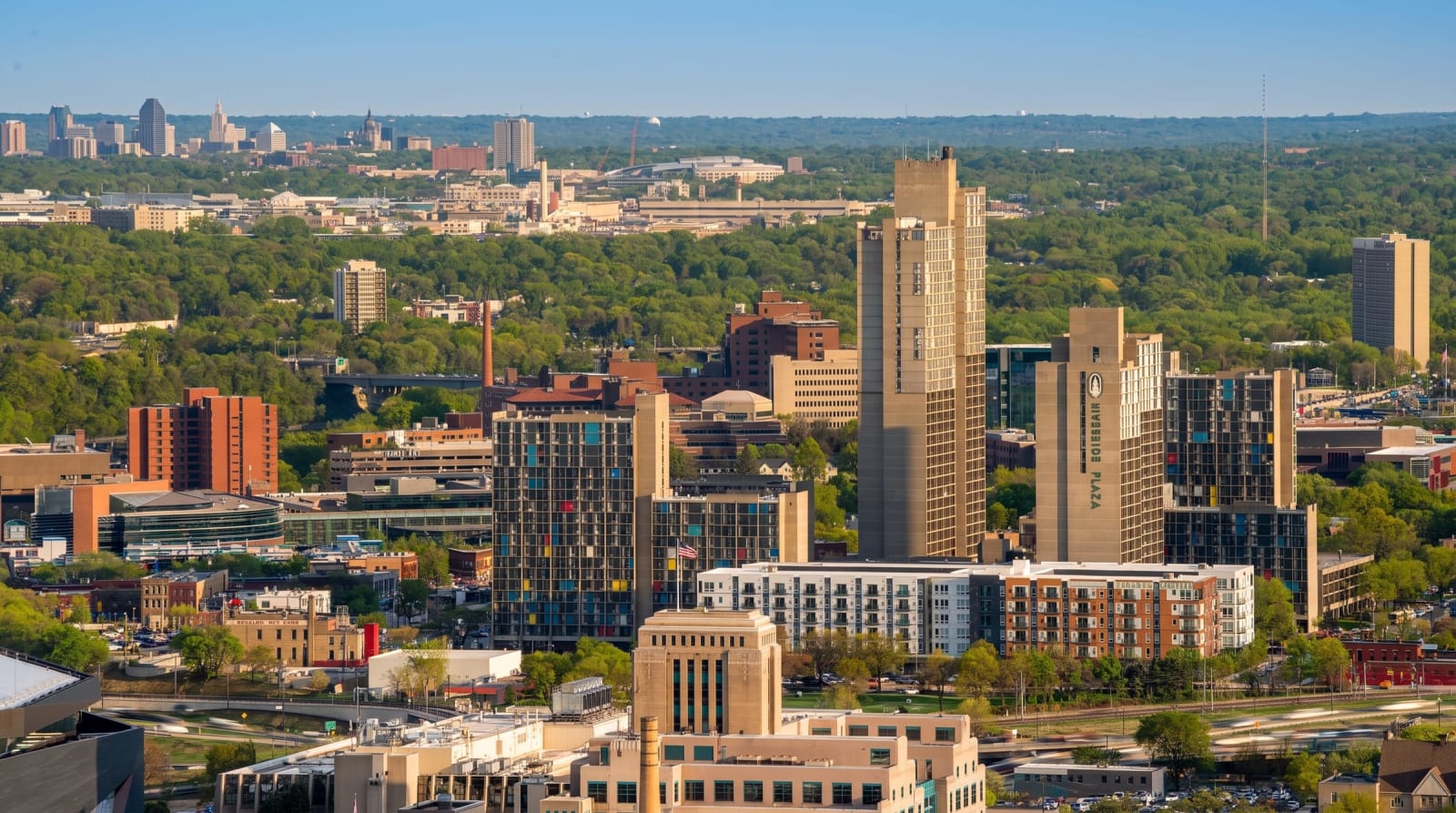
55+ Communities in Twin Cities Metro
Minnesota
Explore 4 active adult and retirement communities in Twin Cities Metro, Minnesota — with real photos, pricing, amenities, and resident insights for each.
Big-city amenities & 10,000-lake lifestyle wrapped around Minneapolis and St. Paul — See why retirees are choosing the Twin Cities Metro
About Twin Cities Metro
The Twin Cities Metro is the seven-county region built around Minneapolis and St. Paul — Hennepin, Ramsey, Dakota, Washington, Anoka, Scott, and Carver counties, home to nearly 3 million people across 180+ communities. For retirees, it's the rare Midwestern metro that delivers big-city healthcare, arts, and airline connectivity while still feeling built around lakes, parkways, and neighborhoods you can walk. The financial picture is honest: Minnesota taxes retirement income at 5.35% to 9.85%, and the state estate tax kicks in at $3 million with rates from 13% to 16% — so this is a metro where the lifestyle has to earn its keep, and for many retirees it does.
Read moreShow less
Where you land inside the metro matters. St. Paul is the older, quieter twin — Summit Hill, Cathedral Hill, Mac-Groveland, and Highland Park offer walkable Victorian streets, and the citywide cost of living runs about 6.4% below the national average with housing roughly 20% lower. Minneapolis is more urban and modern, with a 55+ condo market in neighborhoods like Kenwood, Linden Hills, and the North Loop that puts residents inside the Chain of Lakes and steps from the Guthrie, Orchestra Hall, and Walker Art Center. The suburbs are where most active-adult inventory lives: Woodbury, Eden Prairie, Plymouth, Maple Grove, Eagan, Lakeville, and Bloomington all rank high for services and healthcare, with newer Del Webb-style 55+ communities in Farmington (North Creek), Prior Lake (Haven Ridge), Dayton (River Hills), and along the I-94 and I-35 corridors.
Healthcare is a real draw. The metro is anchored by M Health Fairview (with the University of Minnesota Medical Center as its academic hub), Allina Health, and HealthPartners, and the Mayo Clinic in Rochester is roughly 90 minutes south — a combination that gives retirees access to top-ranked cardiac, cancer, and specialty care without leaving the region. MSP International is a Delta hub serving 160-plus nonstop destinations, ranking third nationally in nonstop markets served — a genuine advantage when grandchildren live in Denver, Boston, or Phoenix.
The honest trade-off is winter. The Twin Cities post the coldest average temperatures of any major U.S. metro, average about 54 inches of snow, and can sit at or below zero for stretches at a time. Summers swing the other way — warm, humid, thunderstorm-prone, with highs in the low 80s. The retirees who thrive here embrace all four seasons; the ones who don't tend to snowbird south from January through March. If you can make peace with the winter and the tax bill, the Twin Cities give you lakes at every turn, world-class healthcare, an airport that actually goes places, and a civic culture that's genuinely welcoming.
Twin Cities Metro's cities, ranked for retirees
how we rank →From our Best Places rankings of every U.S. retirement city — cost of living modeled for a typical buyer, weather from 20 years of hourly data.
| City | US rank | Cost of living | Weather | 55+ residents |
|---|---|---|---|---|
| Woodbury | #124 | $3,382/mo | #718 of 858 | 26% |
| Rochester | #131 | $3,206/mo | #723 of 858 | 28% |
| Eagan | #165 | $3,347/mo | #693 of 858 | 30% |
| Burnsville | #189 | $3,175/mo | #696 of 858 | 30% |
| Eden Prairie | #200 | $3,557/mo | #681 of 858 | 31% |
| Bloomington | #221 | $3,380/mo | #686 of 858 | 33% |
| Coon Rapids | #274 | $3,251/mo | #708 of 858 | 30% |
| St. Paul | #298 | $3,462/mo | #705 of 858 | 23% |
| Blaine | #364 | $3,312/mo | #710 of 858 | 26% |
| Minneapolis | #373 | $3,715/mo | #691 of 858 | 21% |
| Maple Grove | #457 | $3,404/mo | #700 of 858 | 30% |
| Plymouth | #524 | $3,494/mo | #702 of 858 | 30% |
| Brooklyn Park | #635 | $3,248/mo | #698 of 858 | 23% |
Re-rank these around your own budget and ideal temps on the Minnesota rankings or across the entire US.
Browse 4 55+ communities in Twin Cities Metro
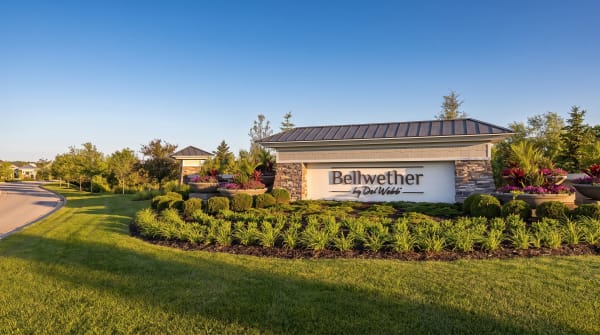
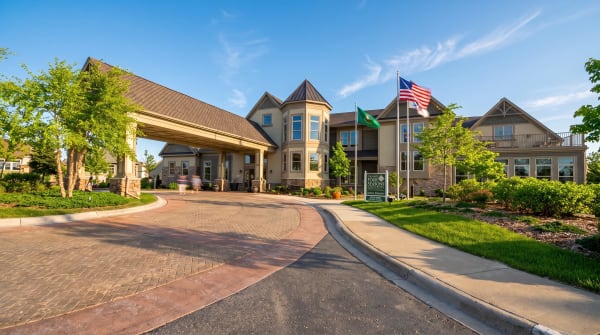
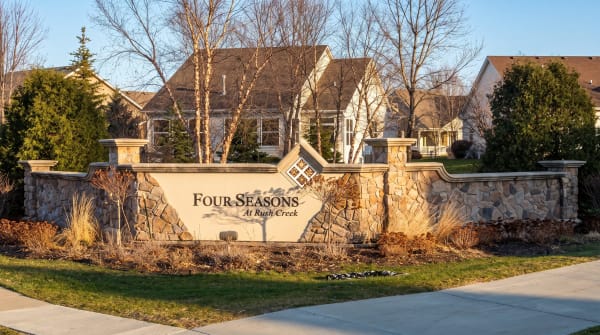
Open in browser →Click any community for a quick preview, or open the full page.

Pros of retiring here
- Deep healthcare bench — M Health Fairview, Allina, HealthPartners, Mayo 90 minutes south
- MSP International — Delta hub, 160+ nonstop destinations, 3rd most in the U.S.
- St. Paul cost of living ~6.4% below national average
- Housing in St. Paul roughly 20% below national average
- Social Security fully exempt from state tax for most middle-income retirees (below $108,320 MFJ / $84,490 single, 2025)
- Homestead classification lowers property tax on primary residences
- Senior Citizens Property Tax Deferral for homeowners 65+ under $96,000 household income
- Chain of Lakes, Grand Rounds Scenic Byway, and 100+ miles of urban parkway trails
- Strong 55+ inventory across the suburbs — Woodbury, Eden Prairie, Lakeville, Maple Grove, Plymouth
- Del Webb, Pulte, and local builders active in the market
- World-class arts scene — Guthrie Theater, Minnesota Orchestra, Walker Art Center, Ordway
- Light rail (Blue and Green Lines) connects Minneapolis, St. Paul, and MSP
- 19 Fortune 500 headquarters and a diversified regional economy
- Genuine four-season recreation — boating, biking, ice fishing, cross-country skiing
Things to consider
- Coldest average winter temperatures of any major U.S. metro
- Average annual snowfall over 54 inches
- Minnesota taxes pensions, IRA, and 401(k) withdrawals at 5.35% to 9.85%
- Social Security is taxed above the subtraction thresholds
- State estate tax kicks in at $3 million with rates from 13% to 16% (far below the federal exemption)
- Combined sales tax reaches ~9.025% in Minneapolis
- Hennepin County effective property tax rate ~1.15% — above the national average
- 2026 Hennepin County levy increase of 7.79% pushing bills higher
- Winter heating bills — utilities commonly $250 to $400/month in colder months
- Icy sidewalks and driveways are a real aging-in-place concern
- Humid, thunderstorm-prone summers with occasional heat spikes
- Property taxes on higher-value homes climb quickly (1.25% class rate above $500K)
Cost of Living
The Twin Cities Metro sits close to the national average overall, with meaningful variation by city. St. Paul's cost of living runs about 6.4% below the national average, with housing roughly 20.2% lower, transportation 2.9% lower, and utilities 5.2% lower — offset by groceries about 4.8% higher. Minneapolis runs slightly higher than St. Paul on housing but similar overall. The 2026 median home price across the Minneapolis-St. Paul metro sits in the $385,000 to $420,000 range, depending on suburb and property type — well below Denver, Seattle, or Chicago. Utility bills reflect the winter: expect $250 to $400 per month for electricity, heating, water, and trash in the coldest months, dropping meaningfully in spring and fall.
Retiree Specific: Minnesota is one of a small number of states that still taxes Social Security benefits, but a means-tested Social Security Subtraction fully exempts benefits for married joint filers with AGI under $108,320 and single filers under $84,490 (2025 thresholds, inflation-indexed). Above those thresholds the subtraction phases out — married filers above roughly $144,320 and single filers above $120,490 owe state tax on the full federally taxable portion. All other retirement income — pensions, IRA and 401(k) withdrawals — is taxed at the state's regular income tax rates of 5.35% to 9.85%. There is no separate state inheritance tax, but Minnesota's estate tax applies to estates over $3 million with graduated rates of 13% to 16% — a threshold far below the federal $13.99M/$15M exemption, so many Minnesota families who owe zero federal estate tax still face a state liability. Property tax is applied through Minnesota's class-rate system: residential homesteads are taxed at 1.00% of market value up to $500,000 and 1.25% above that, then multiplied by local levies. Effective rates run roughly 1.15% to 1.17% in Hennepin County (median bill about $4,337 on a $376,500 home), 0.99% in Dakota County, 1.01% in Anoka County, and a bit higher in Ramsey. Sales tax runs 6.875% statewide with local add-ons — Minneapolis reaches a combined 9.025%. Retirees 65+ with household income under $96,000 can use the Senior Citizens Property Tax Deferral Program to cap property tax payments at 3% of income, with the balance deferred (with interest) until the home is sold.
Additional Considerations: Hennepin County approved a 7.79% levy increase for 2026, and Plymouth and other suburbs are running similar levy hikes — so property tax bills are trending up faster than home values in many neighborhoods. Winter heating cost is a real line item retirees from warmer states underestimate; a well-insulated house matters. HOA and association fees in newer 55+ suburban developments are on top of property tax and typically cover snow removal, lawn care, and clubhouse amenities — a valuable trade for many retirees but worth budgeting explicitly. Homeowners insurance has been rising across Minnesota driven by hail and severe storm losses, though rates remain below the Gulf and Florida coasts.
Where is Twin Cities Metro?
- Cities:
- Minneapolis, St. Paul, Bloomington, Plymouth, Woodbury, Lakeville, Eagan, Eden Prairie, Maple Grove, Blaine, Burnsville, Coon Rapids, Apple Valley, Edina, Minnetonka, Shakopee, Cottage Grove, Inver Grove Heights, Roseville, Chanhassen, Chaska, Prior Lake, Farmington, Stillwater, Hastings, Anoka, White Bear Lake, Hopkins, St. Louis Park, Brooklyn Park
- Counties:
- Hennepin, Ramsey, Dakota, Washington, Anoka, Scott, Carver
- ZIP codes:
- 55101, 55102, 55103, 55104, 55105, 55106, 55107, 55108, 55116, 55117, 55118, 55119, 55125, 55127, 55128, 55129, 55401, 55403, 55404, 55405, 55406, 55407, 55408, 55409, 55410, 55411, 55412, 55413, 55414, 55415, 55416, 55417, 55418, 55419, 55420, 55421, 55422, 55423, 55424, 55425, 55426, 55427, 55428, 55429, 55430, 55431, 55432, 55433, 55434, 55435, 55436, 55437, 55438, 55439, 55441, 55442, 55443, 55444, 55445, 55446, 55447, 55448, 55449, 55016, 55024, 55025, 55033, 55044, 55068, 55070, 55075, 55076, 55077, 55082, 55112, 55113, 55114, 55115, 55120, 55121, 55122, 55123, 55124, 55126, 55305, 55317, 55318, 55331, 55337, 55340, 55343, 55344, 55345, 55346, 55347, 55350, 55372, 55374, 55378, 55379, 55386, 55391
55+ communities in Twin Cities Metro: common questions
How many 55+ communities are in Twin Cities Metro?
There are 4 active adult and 55+ communities in Twin Cities Metro featured on Explore55Plus, with real photos, pricing, amenities, and resident insights for each.
How much do homes in 55+ communities in Twin Cities Metro cost?
Homes in retirement and active adult communities in Twin Cities Metro range from $350K to $750K, depending on the community, home type, and whether it's a new build or resale.
Are 55+ communities in Twin Cities Metro age-restricted?
Yes — the 55+ communities in Twin Cities Metro featured here are age-restricted, generally requiring at least one resident to be 55 or older.
Are there new-construction 55+ communities in Twin Cities Metro?
Yes — 3 of the 4 communities in Twin Cities Metro have new-construction homes available, alongside resale options in established neighborhoods.